crazy time update: How to Divide Your First Peso Budget and Decide When to Stop
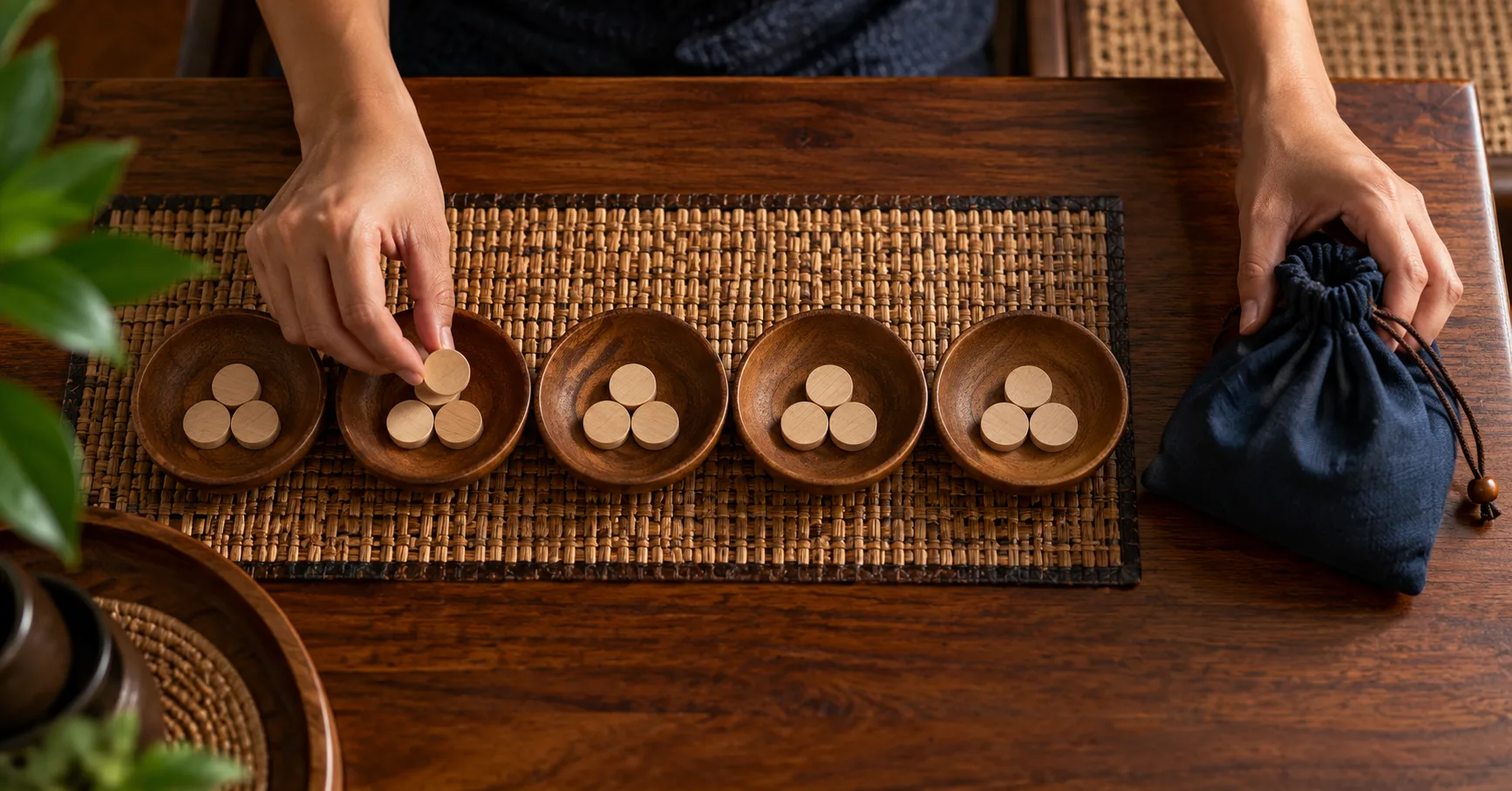
You are home after dinner, your phone is charged, and your e-wallet still holds money for tomorrow’s commute. Before opening Crazy Time, separate that everyday money from anything you can afford to spend on entertainment. An available wallet balance is not automatically a gambling budget.
For a first session, the useful question is how much one round can cost within a limit you have already chosen. That means setting a session allowance, adding every bet in a round, and deciding when to leave. None of those decisions makes a win more likely. They simply put a boundary around your spending.
Who needs a separate session allowance?
This walkthrough is for someone preparing to place a first real-money bet and wondering how far a small peso allowance might go. It also applies when you have already funded an account but have not decided how much of that balance belongs to tonight.
If you are only watching, there is no stake to divide. You can learn the controls without turning observation into a deposit. If losing even a small amount would affect food, transport, bills, or repayments, the usable gambling allowance is zero.
The same distinction matters during Christmas saving. Money reserved for gifts or a family trip already has a purpose, even when it sits beside spare cash in one e-wallet. Moving it into a gambling account does not make it spare.
- Keep tomorrow’s transport, food, bills, and planned savings outside the session allowance, even when all those funds share one wallet.
- Choose an entertainment amount you could lose completely without borrowing, postponing a payment, or asking someone else to cover essentials.
- Treat an existing gambling balance as available funds to allocate, rather than permission to spend everything displayed during one sitting.
- Leave borrowed money and money belonging to another person out of the calculation, regardless of how quickly you expect to replace it.
PHP 300 can be divided before you open the table
Consider a hypothetical PHP 300 session allowance. You decide that PHP 100 must remain untouched, leaving PHP 200 available to lose. You then choose a maximum total stake of PHP 10 per round. These are planning figures, not a recommendation to deposit or a claim about available table limits.
The arithmetic is PHP 200 divided by PHP 10, which equals 20 full losing rounds. That describes a loss allowance under one simplified outcome. It does not promise 20 minutes of entertainment, predict results, or require you to place all 20 bets.
Check the actual betting controls before using this example. If the smallest permitted combination exceeds PHP 10, the plan does not fit that table. Raising your allowance to accommodate the minimum reverses the decision you already made about affordability.
- Write down PHP 300 as the hypothetical session allocation, then ring-fence PHP 100 that you will not use for bets.
- Divide the remaining PHP 200 loss allowance by the proposed PHP 10 total stake to see the simplified losing-round capacity.
- Check the table’s minimum bets and available denominations before placing anything, because your chosen total must be possible within those controls.
- Choose a smaller feasible stake or skip the session if the available minimum would make your planned loss allowance disappear too quickly.
Keeping the protected PHP 100 outside the gambling account makes the boundary easier to follow. If you deposit only the PHP 200 spendable allowance, your account-based stopping point becomes zero. The essential rule remains the same: the protected money stays protected.
Several selections still belong to one round
A first-time player can underestimate spending by reading each individual chip as the whole stake. For budgeting, add every accepted bet attached to the same round. The relevant figure is the total amount at risk before that round settles.

Suppose the controls allow a hypothetical PHP 5 selection and another PHP 5 selection. Together, those bets use your PHP 10 round ceiling. Adding a third PHP 5 bet takes the round to PHP 15, even though every individual selection still looks small.
At PHP 15 per fully losing round, a PHP 200 loss allowance covers 13 complete rounds, with PHP 5 left. That remainder does not justify another top-up. If it cannot support a permitted bet within your rules, the session ends with money unspent.
Spreading a stake across selections does not remove the possibility of a losing round. Nor does changing the distribution turn a budget into a winning system. Your spending ceiling should remain visible while you decide what to select.
Before confirming, look at the total for the round rather than relying on memory. Repeated bets and extra taps can change the amount you intended to risk. If you cannot confidently identify the accepted total, pause further betting until the account record is clear.
Choose the ending while the balance is still untouched
A useful stop rule gives you an action, not just an intention to be careful. In the hypothetical PHP 300 account example, the loss boundary is PHP 100 remaining. You also choose a 30-minute timer as a separate limit on the evening.

Stop when either boundary arrives first. A timer does not guarantee a particular number of rounds, and a protected balance does not guarantee a particular session length. Both limits matter because time and money can run out at different speeds.
- Stop when the settled balance reaches the protected PHP 100 boundary, without transferring more money from your e-wallet to continue.
- Skip the next round whenever its full stake could take the balance below your boundary, even if you are slightly above it.
- When the 30-minute timer sounds, place no further bets and allow any already accepted round to settle before reviewing the balance.
- Keep the PHP 10 round ceiling after a win or loss, and leave returned money inside the original session rules.
- End earlier if you feel an urge to recover losses, hide spending, or use money that you had already excluded.
For example, PHP 105 remaining is already too little for another PHP 10 round under the PHP 100 boundary. You stop at PHP 105. Waiting until the balance hits an exact figure can turn a clear rule into an excuse to overspend.
A win does not require a larger next stake. Continuing with increased bets changes the spending plan precisely when excitement can make that change feel harmless. You can also end while ahead without setting a target that keeps you playing longer.
An interrupted payment does not create a second allowance
On mobile data, an unclear deposit screen can tempt you to send the same amount again. That creates a budgeting problem before play begins. Keep the intended transfer inside the original session allowance while you check whether it went through.
Use the cashier page to check available payment methods, minimum deposits, and any applicable charges. If a charge pushes the total expense beyond your allowance, reduce the intended deposit or skip it. Transport and mobile data still need their own money.
- Check the wallet transaction record and the gambling account’s deposit history before repeating a transfer that appears delayed or incomplete.
- Save the transaction reference and amount so you can ask support about the existing payment without initiating another deposit.
- After a connection interruption, inspect the accepted-bet record and settled balance before deciding whether another round fits your remaining allowance.
- Keep a delayed payment inside your original spending calculation until its status is resolved, rather than treating it as money available again.
Results can explain the balance, not the next stake
A crazy time result can help you reconcile what happened to an accepted bet. It cannot tell you how much you can afford next. That amount comes from your remaining allowance and the ceiling you set before playing.
Likewise, browsing crazy time history does not restore money already lost or justify increasing the next bet. A sequence that looks unusual can still encourage an expensive reaction. Keep the stake decision separate from that impression.
For the distinction between long-run return and a personal session budget, see crazy time rtp. A return figure should never be treated as an amount you are owed before leaving.
Close the session by recording the total transferred, the settled balance, and any amount withdrawn or still held in the account. Keep pending withdrawals separate from money already back in your wallet. Once the stop rule has triggered, the next action is to finish the record and leave the session closed.