Fishing Game Demo Modes: What First-Time Players Can Learn Before Cash Play
On September 30, 2026, Inquirer News reported that DOLE had reminded NCR employers of pay rules for the November 16–18 holidays.
That reminder matters to a player who is counting on holiday pay for a future entertainment budget. It does not change a Fishing Game’s rules, improve its odds, or guarantee when wages will arrive. An NCR employee affected by the pay rules should check the employer’s notice and the eventual payslip before treating any expected amount as available. Players outside that employment situation have no particular reason to change their game plans because of this report. Either way, a free demo offers a way to try the game before deciding whether any cash play fits a budget already in hand.
As of September 30, 2026; the holiday-pay situation may change after October 7.
What a practice round can actually teach
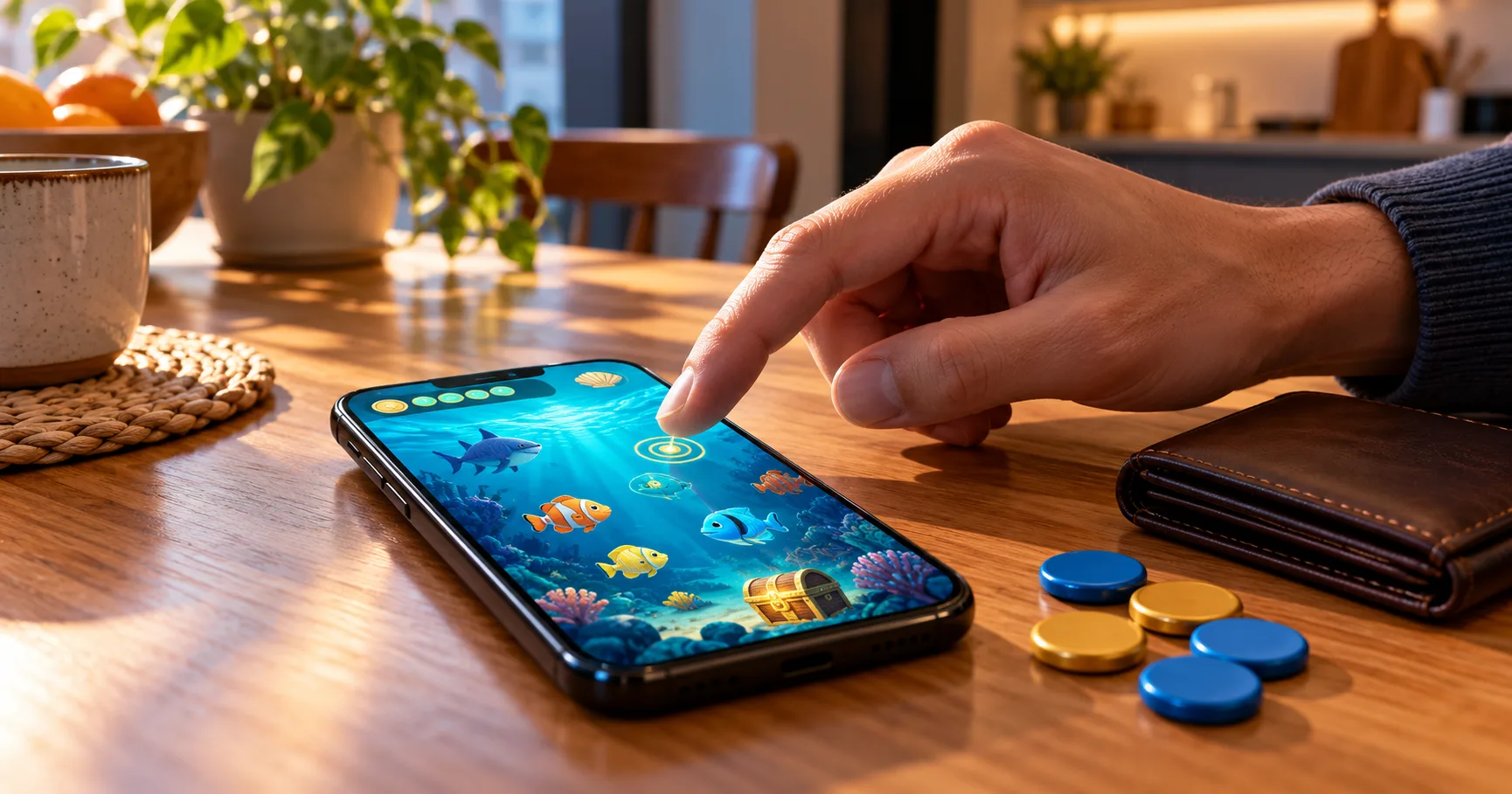
A Fishing Game usually asks you to aim at moving targets and spend game ammunition or credits on each shot. A demo can show how the controls respond, what the screen displays, and how quickly its balance moves. For a first-time player, those are useful observations. They make it easier to understand a round without learning the interface while real money is at stake.
Try the demo on the phone and connection you would normally use. A target that is easy to follow on home Wi-Fi may feel different on mobile data during a commute. Screen size, touch response, animation speed, and interruptions can affect how comfortably you play. They do not tell you whether the next shot will pay.
Practice also helps you notice how easily rapid taps turn into repeated spending. If the balance falls faster than expected, pause and look at the cost of each shot. That lesson remains useful even if the demo credits have no cash value. The aim is to learn the pace of the game, not to build confidence from a short winning run.
Why a full demo balance is not a cash result
Demo credits are usually a practice balance, although the exact setup depends on the game. They should not be assumed to be withdrawable money. They are also different from Free Credits, which may be part of a separate offer with its own conditions. Check the label attached to any balance before deciding what it represents.
A demo session can end ahead because of a few favorable outcomes. It can end behind for the same reason: short runs vary. Neither result establishes what will happen after a cash-in. A practice balance may also restart or be replenished, making losses less noticeable than they would be in an e-wallet. The screen can look familiar while the financial consequence is entirely different.
Do not assume that a paid version has identical settings just because its artwork resembles the demo. Before using money, compare the displayed game name, available controls, shot costs, and rules. If those details are missing or differ, the practice session is less useful as a guide to the paid interface. It remains useful for learning where to tap and when to stop.
Check whether the demo matches the game you might play
A first session should answer a small set of practical questions. Work through these checks while the balance is still virtual:
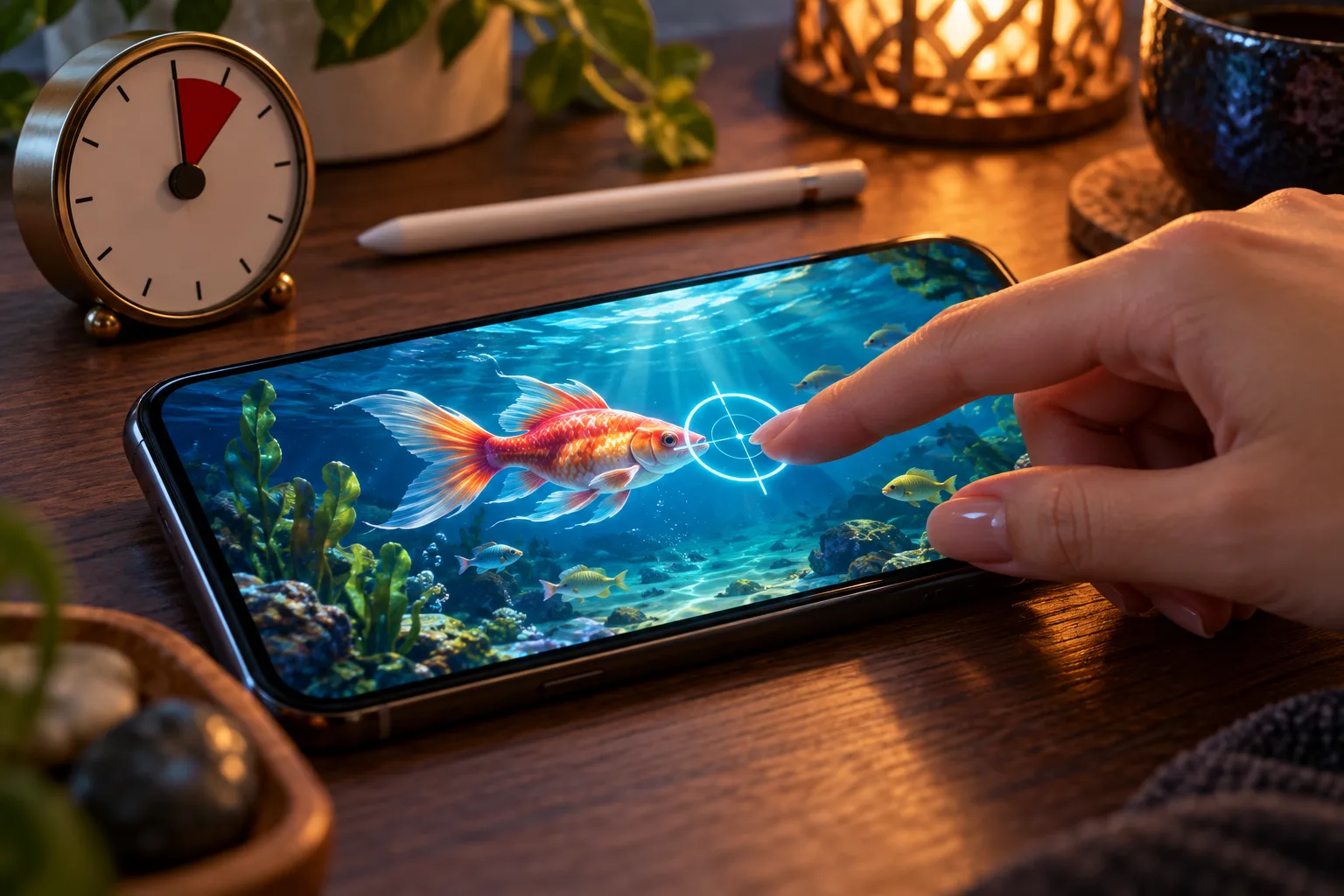
Find the shot-cost control and observe whether a tap changes the amount spent on every later shot.
Read the available rules and note which targets, features, or modes appear on the practice screen.
Watch the balance after several shots, including shots that show an animation but return nothing.
Try aiming during ordinary mobile-data use and notice delays, missed taps, or a screen that becomes hard to read.
Pause or leave the session and see whether the game clearly shows what happened to the practice balance.
Compare the paid screen before depositing, since matching artwork alone does not establish matching costs or rules.
These checks measure usability and clarity. They cannot verify a future payout, and a smooth demo does not promise uninterrupted connectivity later. If the controls feel confusing, more practice may help. If the paid rules remain unclear, playing for cash is a separate decision that the demo cannot settle.
Turn practice into a limit, not a forecast
Translate the demo into cash terms by focusing on the amount one action could cost. Suppose, purely as an example, you have PHP 500 set aside and select a PHP 5 shot in a paid game. That balance could fund 100 shots if none returned anything. Returns may let you take more shots, but they do not increase the amount of money you originally chose to risk.
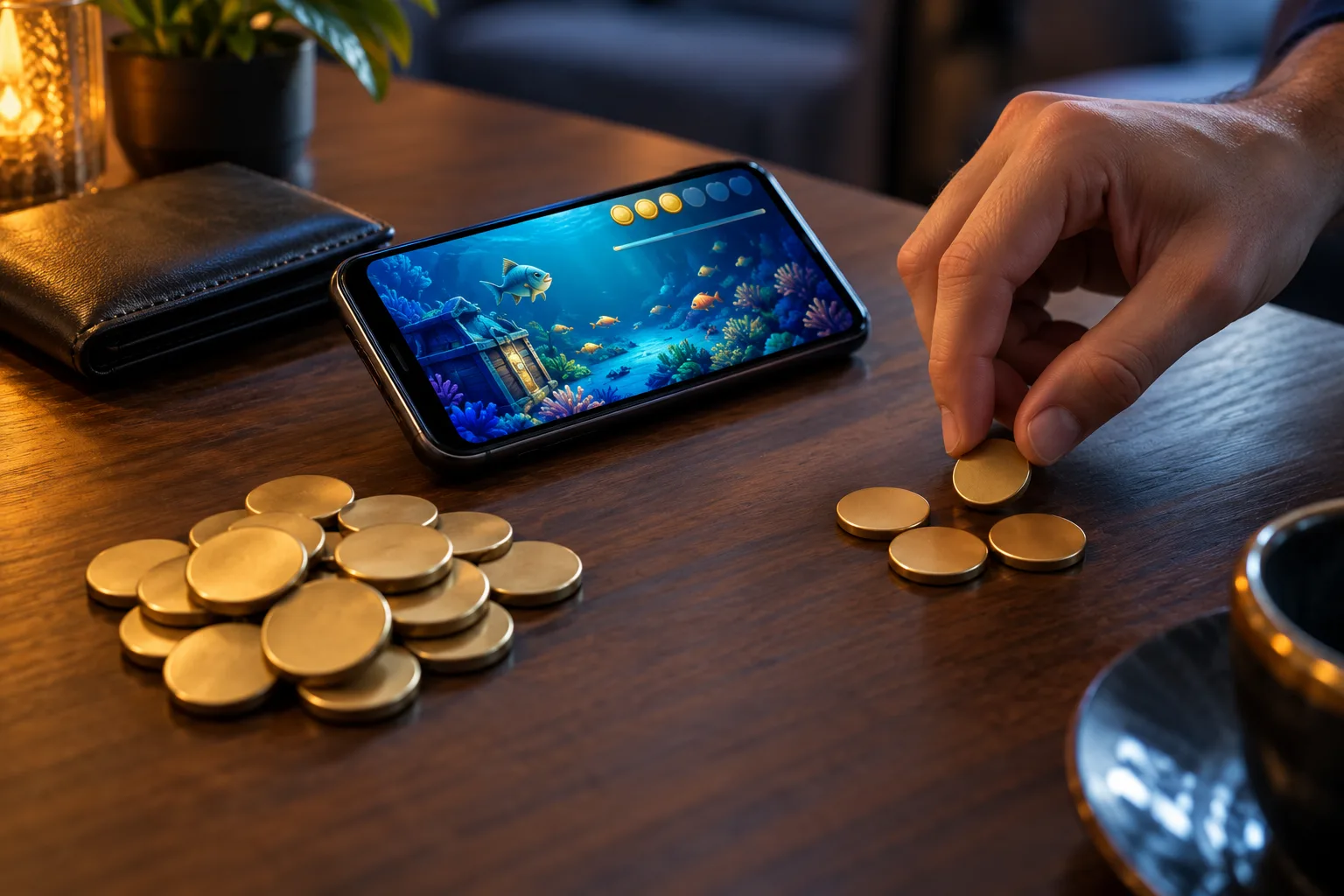
Now imagine a 20-shot stretch at PHP 5 per shot. You spend PHP 100 across those shots. If the game returns PHP 80 during that stretch, the balance is PHP 20 lower than at the start. The PHP 80 is part of the result, not an extra PHP 80 of profit. This is hypothetical arithmetic, not a claim about any particular game’s outcomes.
In a demo, repeat a short stretch and note the starting balance, shots taken, shot cost, and ending balance. Record losing stretches as carefully as winning ones. The exercise shows how quickly repeated shots change a balance and whether you can follow that change on your phone. It does not produce a reliable prediction from a handful of rounds.
A sensible cash limit therefore comes from money you can afford to spend on entertainment, not from the best demo run. If PHP 500 has another job this payday week, a practice session can remain the whole session. The approach is the same during the “-ber months” build-up: planned expenses deserve their own funds before any game budget is considered.
When payment changes the decision
Cash play introduces steps the demo cannot rehearse. A deposit through an e-wallet or payment centre moves actual funds, while a withdrawal may depend on account checks and the site’s terms. Payment methods, limits, and processing arrangements differ, so read the information presented for the service you are considering. Do not infer a cash-out path from a virtual balance rising on screen.
A Bonus may add another balance or conditions, but a demo does not tell you whether an offer applies to Fishing Game play. Read the offer terms separately before accepting it. Practice results cannot show whether a later cash balance is withdrawable, whether a promotional balance is restricted, or how either will be displayed in your account.
This distinction affects people who plan to deposit or claim an offer. Someone using only a free demo does not need to arrange a cash-in, provide payment details, or plan a withdrawal. Keeping those paths separate makes the first decision simpler: learn the game interface before deciding whether to involve money at all.
If you choose cash play, use a fresh checklist
After practice, make the paid decision from your current circumstances. A strong demo result should not set the amount:
Set a cash amount you can lose in full without using money reserved for bills, travel, or upcoming purchases.
Confirm the paid game’s displayed shot cost and rules before treating any demo notes as relevant.
Check which balance will fund each shot, especially if the account displays more than one type of credit.
Read the available cash-in and cash-out information for your chosen method before sending money.
Choose a stopping point based on time or balance, then watch for rapid repeat taps during play.
Stop when that point arrives, even if an earlier practice session ended with a higher balance.
Short mobile sessions make the stopping point especially useful. A few minutes after work or while waiting at a payment centre can contain many shots. A late win can make continued play tempting, while a loss can invite an attempt to recover it. Neither changes the budget chosen before the session.
Who gains most from trying the demo first?
A first-time player gains the most when the controls, pace, and balance display are unfamiliar. The demo supplies time to learn those things without a deposit. Someone who already knows the interface may still use it to check how a game feels on a different phone or connection. Neither player should treat a practice balance as evidence of a likely cash result.
The DOLE reminder is relevant only to a narrower group: people whose spending plans depend on pay covered by the reported NCR holiday rules. For them, the concrete action is to verify what they will actually receive before setting an entertainment budget. Everyone else can apply the same basic lesson without relying on the news: use the demo to understand the game, and make any cash decision from money already available.