Fishing Game or Another Game? Choosing for a Philippine Weekend Session
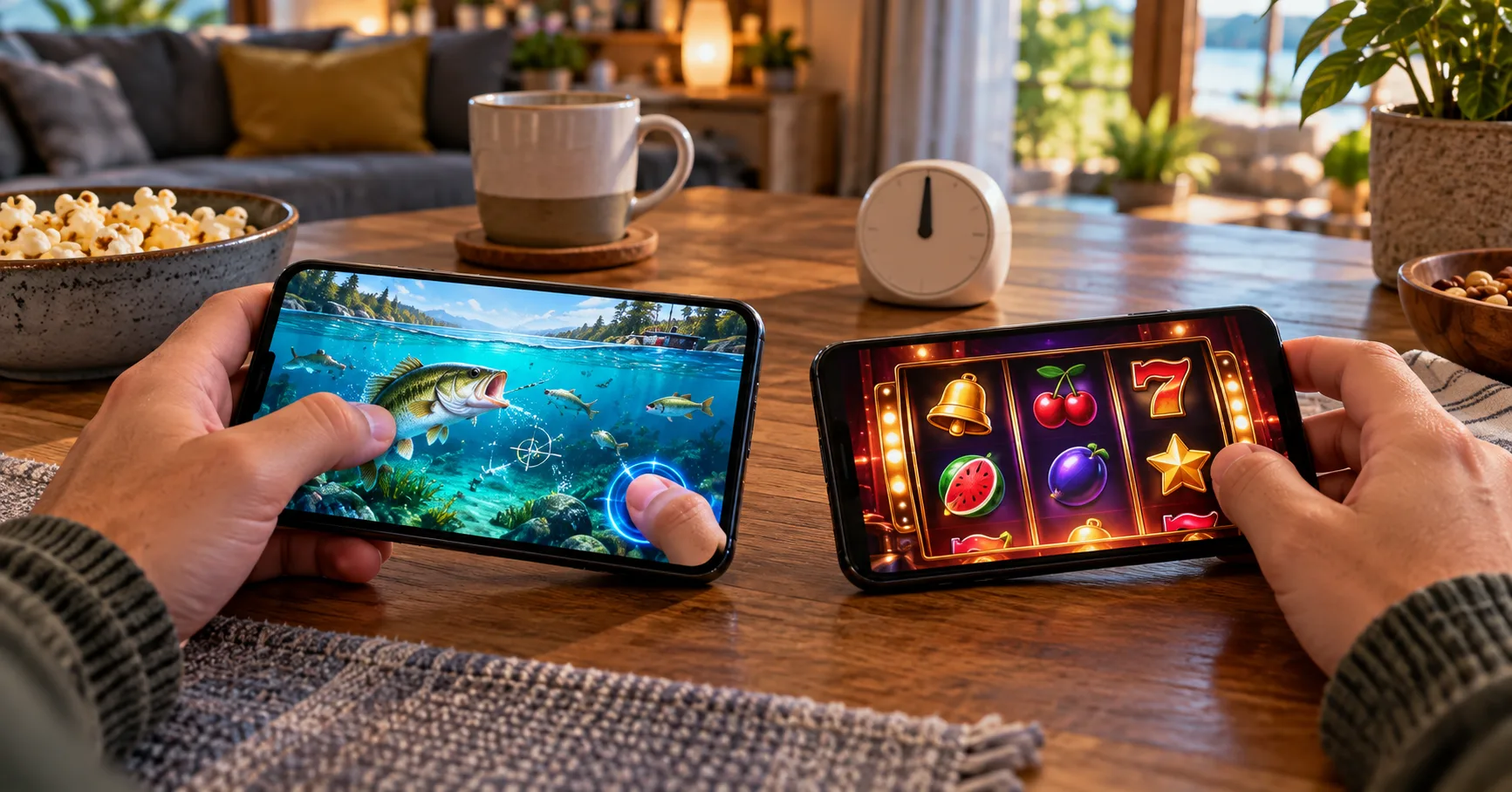
A longer weekend session can feel very different depending on the game you open. In a Fishing Game, you keep choosing targets and spending shots while the screen stays active. A slot asks for a decision between spins, while a table game may give you time to consider each round. For a Philippine player starting today, the useful question is which rhythm fits the time, connection and money actually available.
Today’s rain advisory changes the session plan
The event date in the supplied snapshot is 26 September 2026. Inquirer News reported on 25 September that heavy rains were forecast in Metro Manila and Luzon areas on Friday. The report is a weather advisory; it does not establish that any particular gaming service or payment channel is unavailable.
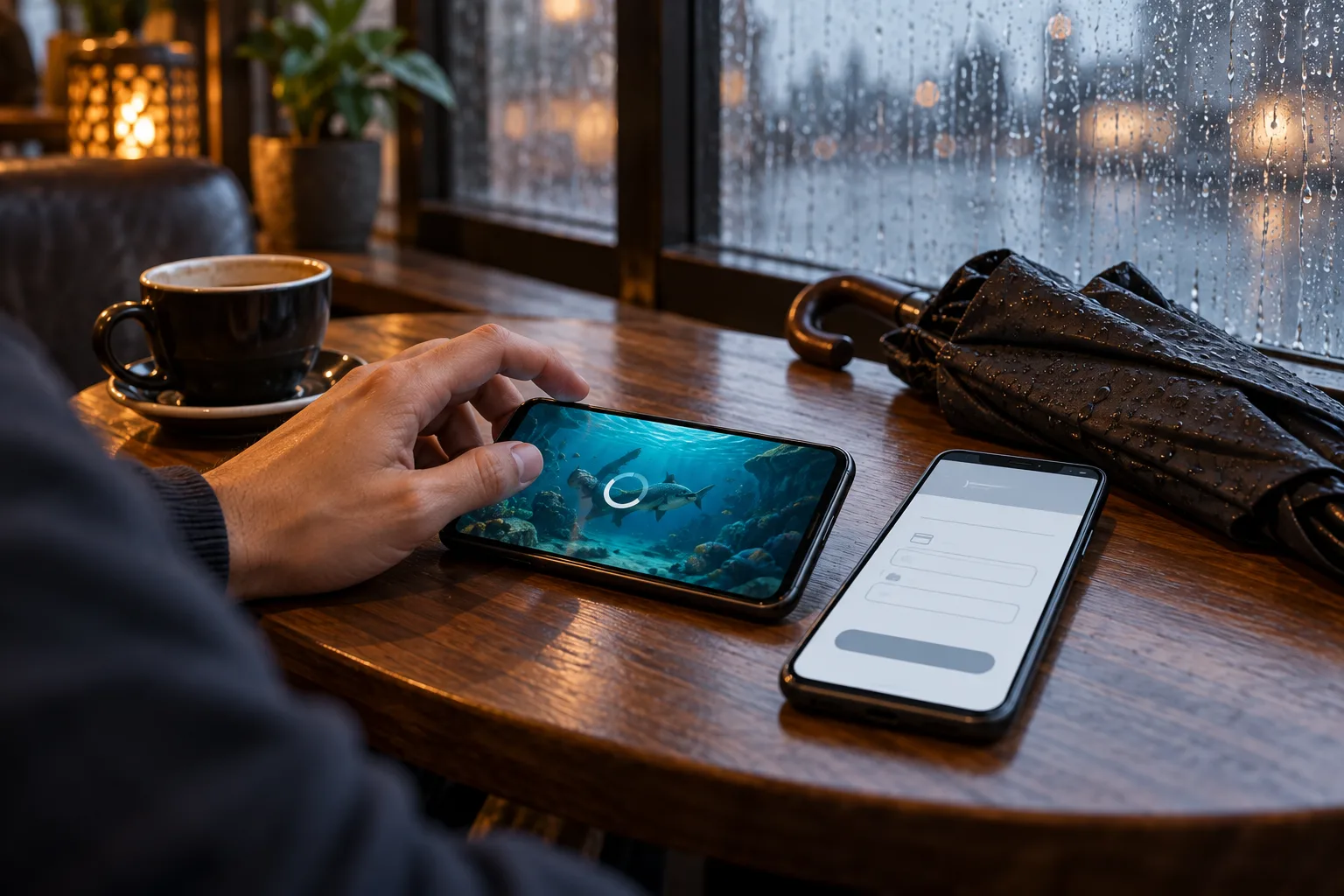
For someone planning a few hours of play, the practical concern is interruption. Heavy rain can complicate a trip to a payment centre, and a player relying on mobile data may need to allow for an unstable connection. Neither possibility proves that an e-wallet cash-in will fail or that a game result will change. It does make a continuously active Fishing Game less comfortable if you cannot watch the screen reliably.
Before starting, check your own connection, available balance and the payment route you intend to use. If you need to visit a payment centre, decide whether that trip still makes sense before you commit to a session. Keep a record of any transaction you actually make, and pause play if the game or balance display becomes unclear. As of 26 September 2026, this advice reflects the supplied advisory; conditions may have changed after that date and the story stops being current after 3 October.
What Fishing Game asks of a longer session
Fishing games usually place moving targets on a shared screen and let players aim or fire using an in-game weapon. The visual action can make a long session feel busy, even during stretches when little changes in the balance. That suits someone who enjoys staying engaged, but it can also hide how frequently small costs add up. A hit, a captured target and a profitable session are different things.
The controls vary between games, so inspect the version in front of you before assuming how a shot is charged. A stronger weapon or faster firing rate may spend more per action, depending on that game’s rules. Skill at aiming can shape how the game feels, but it does not make a return predictable. The useful checks are concrete:
Find where the game shows the cost of each shot or firing mode before holding down a control.
Watch whether spending continues while a target moves away, since rapid fire can outpace your sense of time.
Check how the game records a captured target and updates the balance before treating an animation as a result.
Notice whether you can stop comfortably between targets, especially when your planned session has a firm spending limit.
A weekend player may have enough time to learn that rhythm over several sessions. Still, time alone does not make Fishing Game the best choice. It works best when you want active attention and can see each action clearly on a stable screen.
How the other categories feel beside it
Category choice changes the work a player does during a session. A slot concentrates the decision around each spin and its stake. Table games put more weight on understanding the rules of a round. Live dealer games add a schedule and a video stream, while a wheel game offers a comparatively simple outcome to follow. None of those descriptions tells you which game will pay more.
Choose Fishing Game if you enjoy tracking moving targets and can monitor frequent spending throughout a longer session.
Choose slots if you prefer distinct rounds with a clear pause to review the balance after each spin.
Choose table games if learning the decisions and rules of each round appeals more than constant screen action.
Choose live dealer games if you value the hosted format and have enough data and attention for continuous video.
Choose a Wheel game if you want a brief outcome to watch without aiming at targets or following a long hand.
These are differences in pace and attention, not a ranking of likely returns. A slot can still move quickly if you spin repeatedly, and a table game can become expensive if its stake exceeds your limit. Live video may feel sociable, but it asks more of a weak connection. Fishing Game offers more interaction on screen, which matters only if that interaction is what you want for the hours you have set aside.
Put the same peso limit against each pace
Say you set aside PHP 500 for a hypothetical weekend session. That is a personal spending ceiling for this example, not a suggested deposit or the price of any named game. In a Fishing Game, the key question is how many charged actions you might take while concentrating on targets. In slots, you would compare the stake per spin with how often you expect to press again. At a table, you would look at the stake required for a round and how many rounds fit your limit.
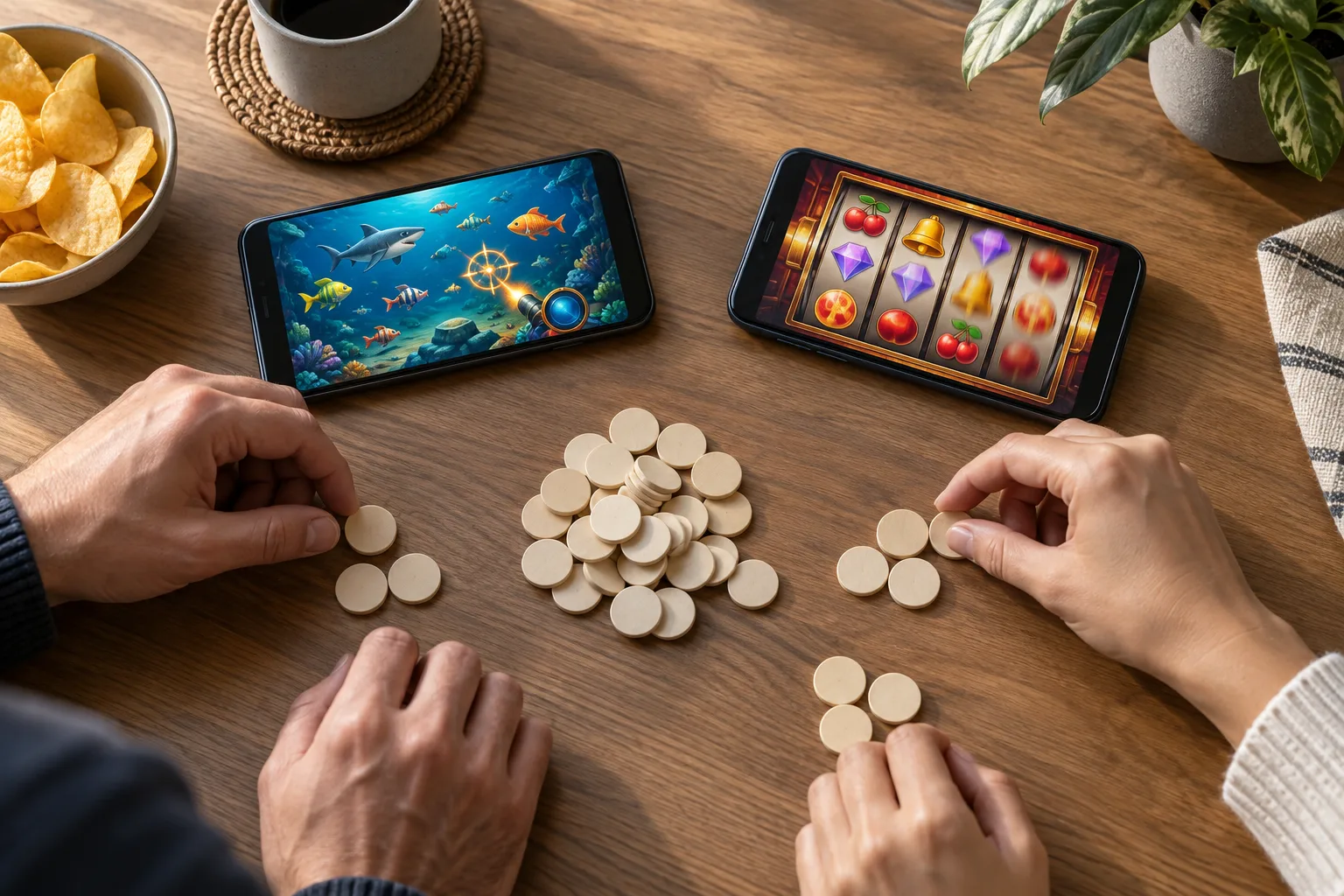
For example, if an imagined game charged PHP 5 per action, PHP 500 would cover at most 100 such actions before any returns or changes in stake. The arithmetic is simple; the pace is the uncertain part. A player firing several times in quick succession could reach that limit much sooner than expected. The example is not an actual price, rule or payout for any platform.
Promotional balances can make the comparison harder. A Bonus may show extra funds in a game balance, while its conditions may affect where those funds can be used or what can be withdrawn. Read the terms shown with the offer before counting that amount as part of your own spending plan. The category should still fit your attention and budget when you set the promotion aside.
Fit the choice to your actual weekend routine
Many Philippine players move between home Wi-Fi and mobile data, or fund play through an e-wallet after other weekend errands. The convenient time to cash in may not be the best time to start an uninterrupted game. Fishing Game deserves a clear stretch when you can watch targets and the balance together. A format with distinct rounds may be easier to pause when the household, a commute or a connection demands attention.
Before settling into a longer session, use a short checklist tied to your circumstances:
Choose a place where the game screen and balance remain readable, rather than relying on a crowded or distracting journey.
Check the connection you will actually use for the session, particularly if you expect to switch from Wi-Fi to mobile data.
Set a money limit and a stopping time before opening the game, then keep both visible to yourself.
Confirm that a completed cash-in appears in the correct balance before using it, especially after changing networks.
Pick a category whose natural pauses fit your evening, rather than trying to force a continuous game into interruptions.
Someone with a quiet Saturday evening and steady Wi-Fi may enjoy Fishing Game’s constant choices. Someone playing in short gaps between errands may prefer rounds that end cleanly. Those preferences can change from one weekend to the next, so there is no need to treat a familiar category as a permanent default.
The category that suits you today
For a few longer sessions each week, Fishing Game is a reasonable pick when active aiming is the attraction and you can track its repeated costs. Slots suit a player who wants a clear decision point between spins. Table games suit someone willing to learn a round’s rules, and live dealer games suit someone comfortable with a continuous stream. A wheel game may suit a shorter burst of attention.
Start with the session you can support today: available time, a readable screen, a working connection and money you have already chosen to spend. Then compare the game’s actual controls and stake display with that plan. If either remains unclear, close the game and check before continuing. The best category is the one whose pace you can follow without losing sight of your limit.