crazy time live: Stop Payment Hiccups From Becoming Extra Spending
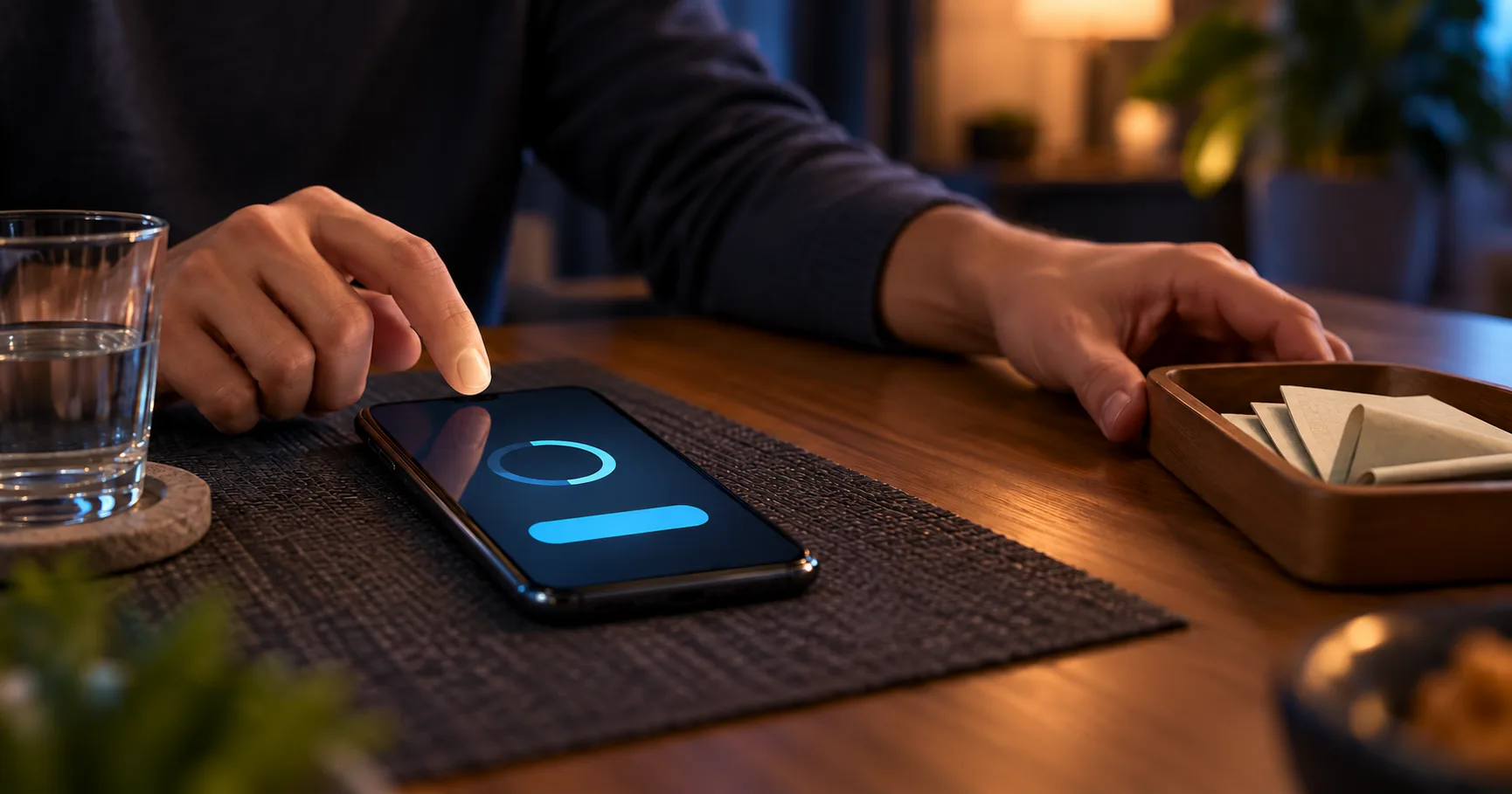
You are at home with a free evening, your phone beside you, and PHP 500 set aside for entertainment. A payment appears pending, the game stream stutters, and another tap feels like the quickest way forward. That is where a planned crazy time live session can start costing more than intended.
For a weekend player, the problem is often the sequence around playing: funding, reconnecting, repeating selections and deciding when to stop. A longer session gives those small decisions more chances to accumulate. Treat a payment delay or connection change as a reason to check your position before committing more money.
A delayed PHP 500 payment can become PHP 1,000 of spending
Imagine a hypothetical PHP 500 deposit that leaves your e-wallet but does not immediately appear in your playing balance. Sending another PHP 500 through a different route creates PHP 1,000 of payment exposure. The second transfer does not resolve the first one.
The practical mistake is treating an empty balance display as proof that nothing happened. Your GCash or Maya activity, the cashier record and the game balance describe different parts of the process. Check the available records before repeating a payment.
- Open the original payment record and check whether the hypothetical PHP 500 transfer is marked pending, completed, failed or reversed.
- Compare the amount and reference with the cashier entry, keeping the GCash or Maya record available for any payment enquiry.
- Check the payment instructions for the selected route, including any reference required when paying through a payment centre.
- Keep the remaining entertainment money untouched while you establish whether the original PHP 500 payment is still being processed.
- If the records disagree, ask the payment provider or site support to investigate the specific transfer before attempting another deposit.
A second deposit can also change your behaviour once both amounts arrive. PHP 1,000 on screen may feel like a larger playing allowance, although you originally chose PHP 500. Keep the spending limit tied to your decision before payment.
Switching connections does not answer whether a bet counted
Moving from home Wi-Fi to Smart or Globe mobile data may change the viewing experience, but it does not establish your betting status. A frozen picture is evidence of a viewing problem. It is not proof that a selection failed or that money was never committed.
Suppose, hypothetically, you tap a PHP 20 selection and the picture stops before you see confirmation. Repeating that action without checking introduces another uncertainty. You need the recorded status of the original action, rather than a guess based on the host's movement.
- Stop entering selections when the stream freezes, and note the approximate time of the hypothetical PHP 20 action you need to check.
- Restore a stable connection, then inspect the available bet record and balance before deciding whether another selection is appropriate.
- Use the game's help information to understand how accepted bets and interrupted sessions are handled, including any relevant settlement rules.
- Compare any recorded round identifier with the action you remember, rather than relying only on the live picture after reconnecting.
- When a PHP 20 deduction remains unexplained, preserve the relevant record and ask support about that specific action before resuming play.
Repeatedly switching between Wi-Fi and mobile data can make it harder to follow what happened. If the connection remains unreliable, end the session. Spending more mobile data does not make an unclear bet record clearer.
Your total stake hides across several selections
A small amount on each selection can disguise a much larger total. In a hypothetical example, PHP 10 on each of 5 selections commits PHP 50 for that round. Repeating that total across 10 rounds produces PHP 500 in stakes, before considering any returns.
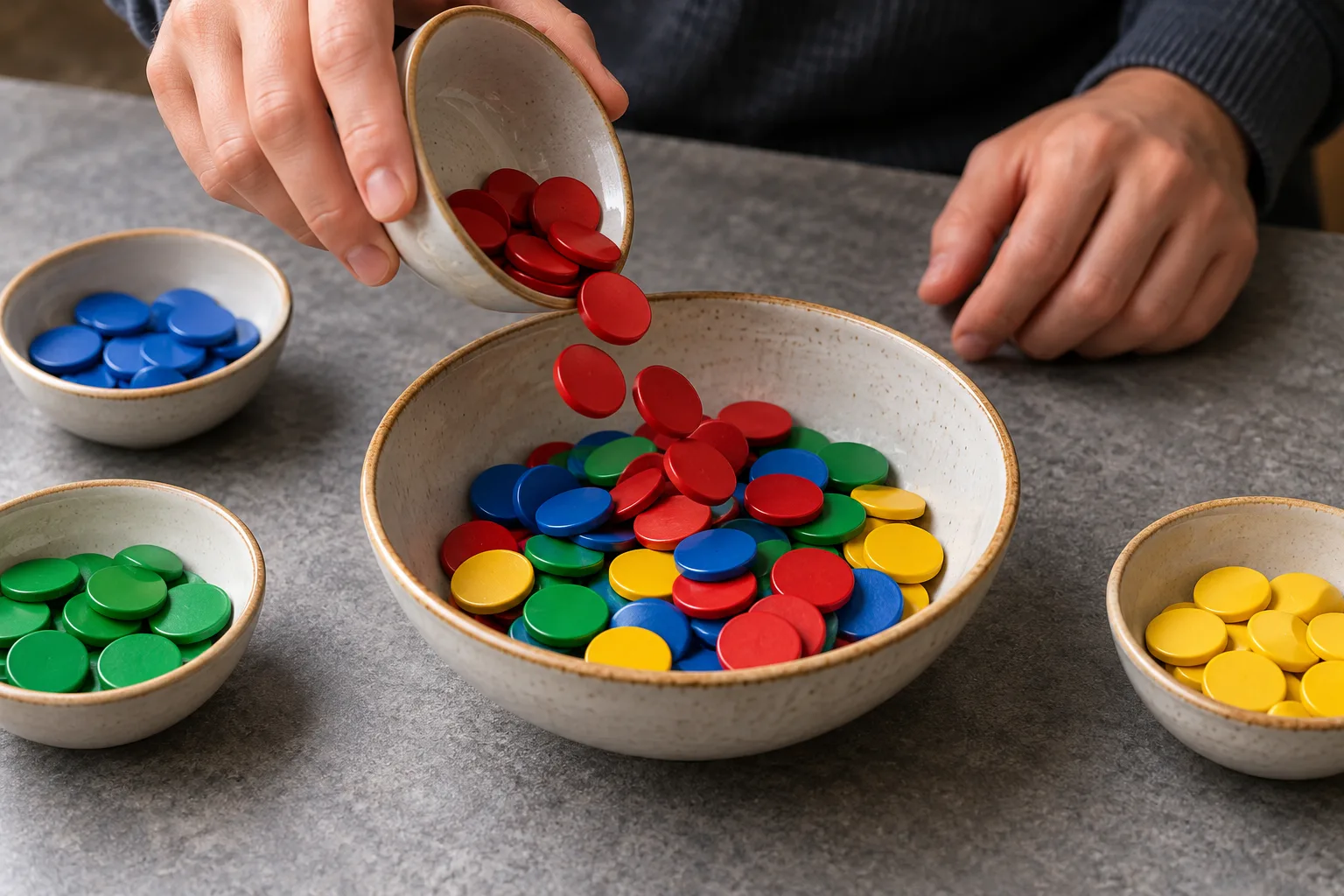
This is turnover, not necessarily PHP 500 lost. However, it shows why a PHP 500 budget can support far fewer decisions than someone expects when thinking only about the PHP 10 chip.
Before confirming anything, add every selected amount. A hypothetical layout containing PHP 10, PHP 20 and PHP 20 still commits PHP 50, even though no single selection looks particularly large. Extra selections add spending; they do not remove the possibility of losing.
Use this arithmetic to decide whether the displayed total fits your limit. Do not assume you can enter every amount in these examples: check the actual betting limits in the game. If the smallest available total is uncomfortable, skip the session.
When reading crazy time rtp, distinguish long-run return information from a personal spending allowance. A return figure cannot tell you how much of your PHP 500 will remain after a particular evening.
A longer evening needs stopping points before it starts
A weekend session can run past its intended finish because the evening still feels available. Your time may be free, but each additional accepted stake uses money. A clear stopping point prevents an open evening from becoming an open budget.
Consider a hypothetical PHP 600 entertainment allowance divided into 3 portions of PHP 200. Those portions are spending boundaries, not predictions about how long play will last. Losing PHP 200 quickly does not justify unlocking the next portion early.
- Choose the full entertainment limit before opening the cashier, keeping essential spending and any Christmas savings outside the hypothetical PHP 600 allowance.
- Set a separate session finish time, such as a hypothetical 90-minute limit, so available money does not become permission to continue indefinitely.
- Schedule a check after 30 minutes to compare total spending with the original plan, even when the stream and payments work smoothly.
- Count any mobile-data purchase against the same entertainment allowance; a hypothetical PHP 50 top-up leaves PHP 550 from the original PHP 600.
- Stop when either your money limit or time limit arrives, and keep unused funds available for ordinary spending rather than another round.
These boundaries reduce opportunities for unplanned spending; they do not improve the outcome of a bet. If you repeatedly move them during play, take a longer break and consider account limits or self-exclusion tools.
A results page cannot repair a payment or predict a recovery
After a frustrating interruption, checking a crazy time result can become a reason to restart. A reader might see an outcome they missed and feel that another exciting round must be close. That feeling provides no sound basis for increasing a stake.
Browsing crazy time history may help you review displayed past outcomes, but it cannot confirm that your own payment arrived or your bet was accepted. Those questions belong in the cashier and account records.
Imagine a hypothetical PHP 200 loss followed by a decision to double a PHP 20 total stake to PHP 40. Another losing round then adds PHP 40 to the loss instead of PHP 20. The larger amount increases exposure without repairing the earlier result.
Keep the correction practical: return to the spending boundary you chose before playing, or stop. Do not turn a missed round, a delayed deposit or an earlier loss into a reason for larger selections. None of those events makes a recovery owed to you.
Accepting an offer can add another spending target
A promotion can complicate a session that already has a cash limit. The mistake is counting an advertised balance as freely spendable money before reading the conditions. A progress target can then compete with the point where you intended to stop.
Consider a hypothetical PHP 100 bonus with 10x wagering applied only to that bonus. The calculation is PHP 100 × 10, or PHP 1,000 in qualifying wagers. That does not mean a PHP 1,000 loss, and it does not guarantee any withdrawable balance.
- Check whether the promotion applies its wagering multiplier to the bonus alone or another defined amount before calculating the target.
- Confirm whether crazy time live qualifies for the offer, and read any contribution rule rather than assuming all stakes count equally.
- Read the permitted stake conditions and excluded actions before using repeat selections or increasing a hypothetical PHP 20 total to PHP 40.
- Check the expiry and withdrawal conditions, then decide whether participation fits your existing limit without requiring an extra deposit.
If the conditions make you plan more spending than you intended, decline the offer. Progress towards a promotional target is not a reason to replace a firm entertainment limit with another payment.
Leave the session with one resolved money position
Before putting the phone away, compare your total deposits, remaining balance and any unresolved transactions. In a hypothetical session with PHP 500 deposited and PHP 180 remaining, the balance difference is PHP 320. Account separately for any withdrawals, bonuses or pending entries before treating that as your final spending.
Keep unresolved payment or bet references together so you can follow up without reopening the game to reconstruct events. A delay deserves a record and an enquiry, not another stake. For longer weekend sessions, that habit protects the original plan at exactly the moments when frustration makes it easiest to abandon.