Beyond crazy time history: Choosing Between a Live Show and Cards After Dinner
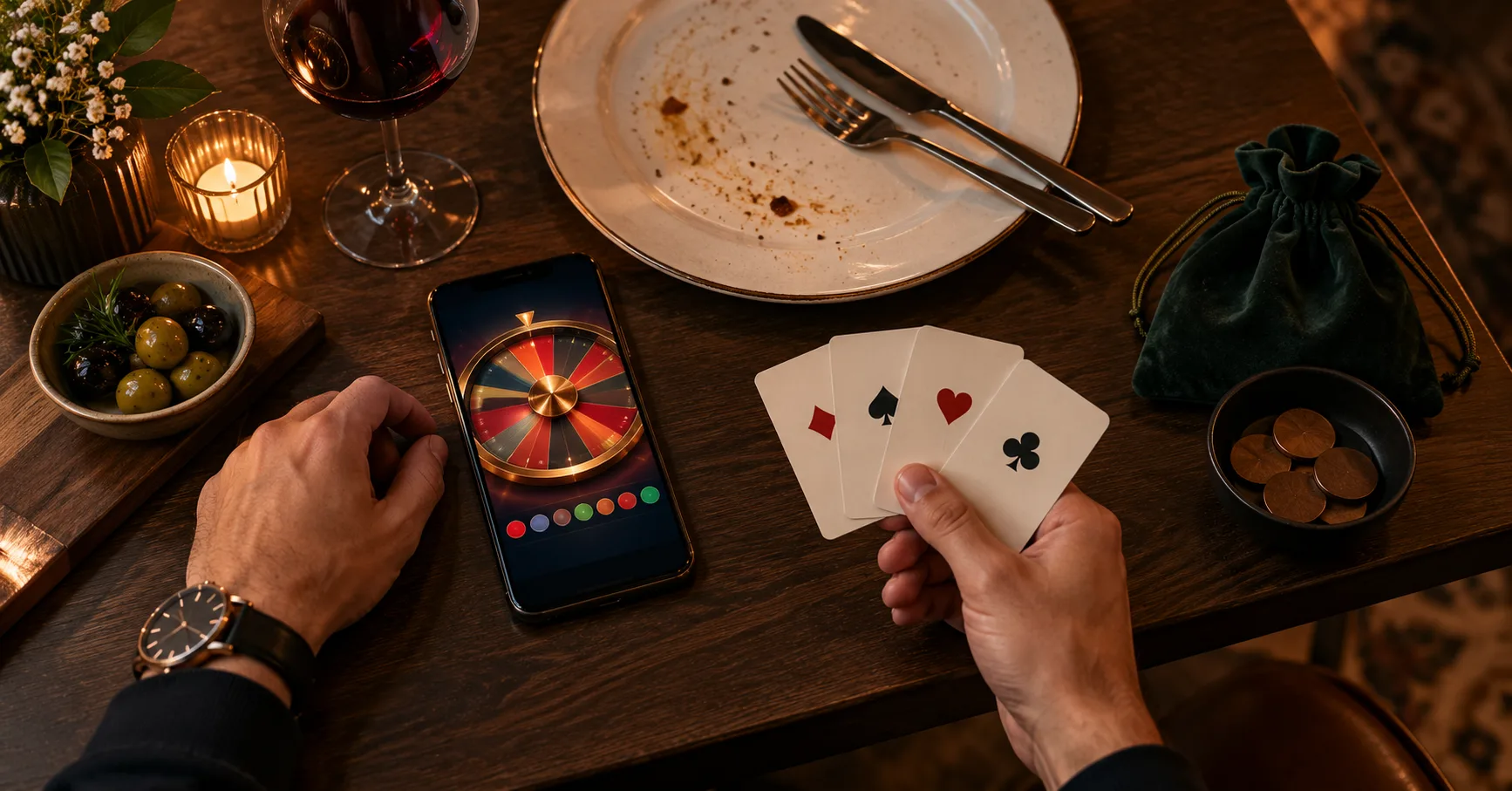
Dinner is finished, your phone is charging, and PHP 500 is the most you could set aside for entertainment. You open crazy time history while deciding whether to watch a live game, try cards, or leave the money in your wallet. The colourful results make the first option feel familiar. They do not settle which experience fits your evening.
For a small-budget player in the Philippines, that choice involves more than the last winning result. A shared Wi-Fi connection, an interruption at home, and money reserved for transport can each matter more. Treat PHP 500 as a ceiling you can reduce, rather than an amount you must spend.
The useful comparison is between what each game asks of your attention and your balance. A live show, a card table, a slot session, and bingo create different rhythms. Start with the evening you actually have available.
The results screen cannot choose your evening
A history screen looks reassuring because it turns previous rounds into something you can scan. However, a crazy time result describes an outcome already settled. It does not establish that the next round will repay a loss or deliver a particular feature.
Consider a hypothetical display containing 20 results, with the same outcome appearing 4 times. That is 4 out of 20 entries in that sample. It is not a promise that the same outcome will appear once in your next 5 bets.
History is more useful for orientation: seeing how results are presented and deciding whether you enjoy following the show. Someone who enjoys the presenter and anticipation may prefer that experience. Someone who wants to act on every turn may find watching less satisfying.
For the separate question of theoretical returns, consult crazy time rtp alongside the game's own rules. A return figure cannot tell you how long PHP 500 will last tonight. Your total stake and number of paid rounds still matter.
Give PHP 500 a boundary before opening the lobby
Imagine PHP 500 is genuinely disposable after food, bills, and transport. A hypothetical plan could leave PHP 300 outside the gambling account and allow a maximum PHP 200 session. Keeping money outside the account creates a practical pause before any extra deposit.
Within that PHP 200 limit, a hypothetical PHP 10 total stake allows 20 fully losing rounds. A PHP 20 total stake allows 10. These calculations assume no returns and no additional deductions; neither figure predicts the session's actual length.
- Check whether PHP 500 remains disposable after your next transport payment, meal, and mobile data purchase; reduce the entertainment allowance if necessary.
- For a hypothetical PHP 200 session, write down that limit before depositing and keep the remaining PHP 300 outside the gambling balance.
- Read the minimum stake for the exact game you are considering; a PHP 20 minimum would consume the example allowance faster.
- Choose a stopping time as well as a spending limit, such as a hypothetical 20-minute window before another household commitment.
This boundary applies across categories. Switching from a live wheel to cards after losing PHP 200 does not create a fresh budget. During Christmas shopping season, money already assigned to gifts belongs outside this calculation too.
What your thumb does between results
The clearest difference between categories is what you actually do while playing. A live show centres attention on a shared presentation and the unfolding result. Cards can offer either a simple selection or repeated decisions, depending on the game.
Do not assume every card game offers meaningful control over the outcome. Choosing a betting position differs from choosing how to play a hand. A simple comparison such as dragon tiger can help clarify whether you prefer a direct reveal over a longer show.
- A live wheel show suits someone who enjoys watching a presenter and waiting for the reveal, even through rounds they choose to skip.
- A straightforward card reveal suits someone who wants a compact betting decision, provided they accept that simplicity does not create predictive control.
- A slot suits someone who prefers initiating individual rounds, but repeated taps can spend a PHP 200 allowance faster than expected.
- Poker practice suits someone interested in decisions about hands and opponents; learning without money at stake removes deposit pressure from that comparison.
- Bingo-style play suits someone who enjoys following a draw, although ticket purchases and entry deadlines still require attention before committing money.
If card decisions are the attraction, free poker offers a relevant starting point for exploring that preference. Practice can reveal whether you enjoy the decisions themselves. It cannot establish how you will perform when real money and stronger opponents are involved.
For the hypothetical PHP 200 allowance, preference matters because boredom can prompt extra bets. Someone waiting for an exciting feature may keep paying simply to remain involved. Watching an unbet round is a useful way to test whether the entertainment stands on its own.
A kitchen interruption changes the comparison
Suppose you have 15 minutes after dinner, but someone may ask you to collect a delivery. A live round continues on its own schedule. Closing the screen should never be treated as cancelling a bet already accepted.
A game where you initiate the next round may fit interruptions more comfortably between completed rounds. That does not mean an active round can always be paused. Check the rules for interrupted play before using convenience as your deciding factor.
Shared Wi-Fi creates another distinction between enjoying the broadcast and understanding your account status. A frozen picture does not prove that a bet failed. Likewise, a smooth video does not replace checking whether your selection was accepted.
- Watch without betting while your household uses the connection normally, checking whether the live picture and betting controls remain responsive together.
- Before stepping away, check whether a wager has already been accepted and whether its result appears in the account's transaction record.
- If the picture freezes after a tap, inspect the bet record before tapping again or switching between Wi-Fi and mobile data.
- Save the round reference and transaction details when the status remains unclear, then use the site's support channel to resolve that specific entry.
A fresh crazy time update on a results page is not proof of your own wager's settlement. The page and your account record answer different questions. On an unreliable connection, watching without betting can be the better use of the evening.
One round can contain several separate commitments
A small amount beside each selection can disguise a larger total. In a hypothetical round, PHP 10 on each of 3 selections commits PHP 30. Against a PHP 200 allowance, 6 fully losing rounds would spend PHP 180 and leave PHP 20.
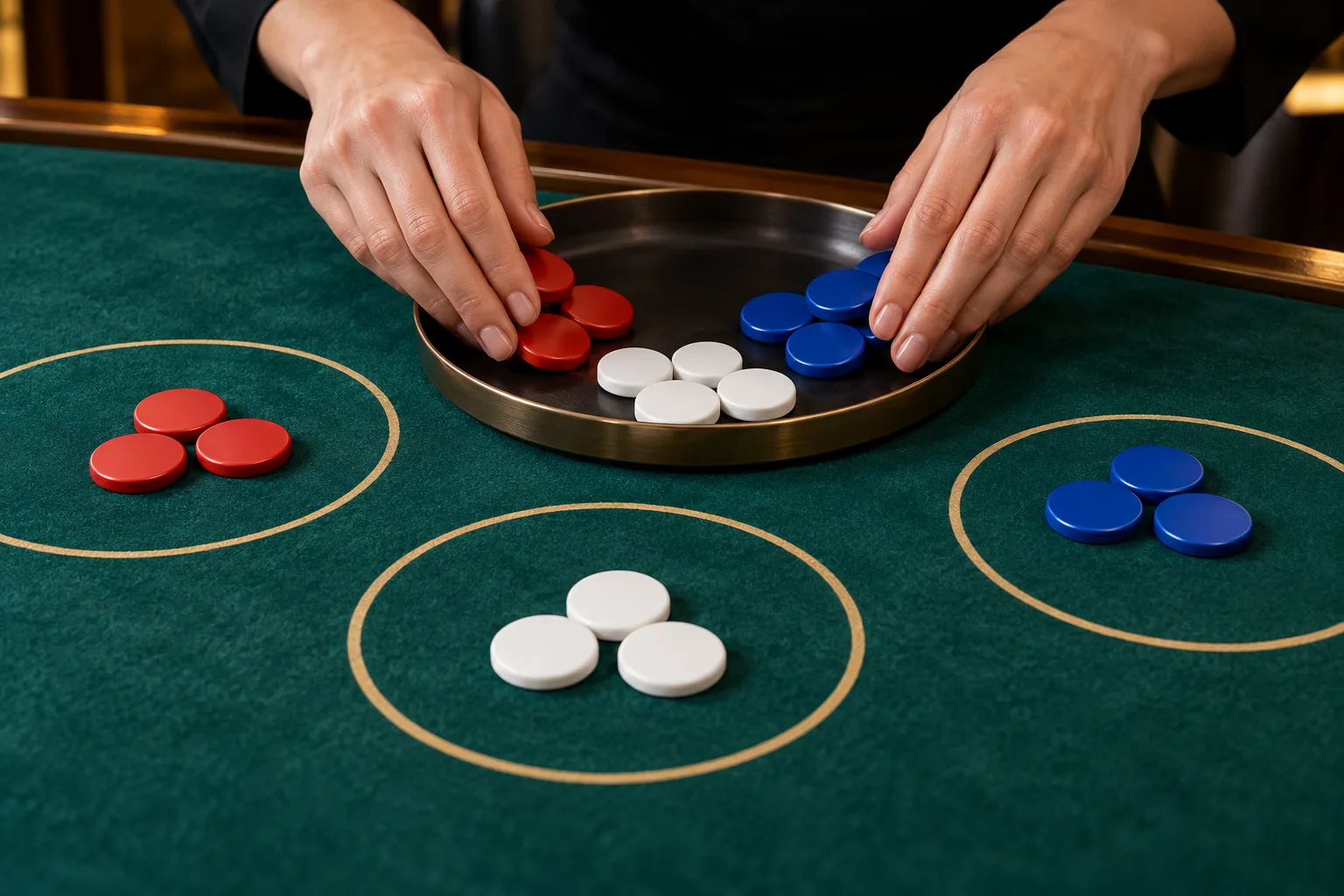
That arithmetic is relevant beyond live wheels. Two hypothetical bingo entries at PHP 15 each also commit PHP 30. A slot's displayed settings need checking against the total charged for a spin, while optional card wagers can increase the amount committed.
Compare the complete purchase before comparing the excitement. A PHP 10 selection and a PHP 10 total round are only equivalent when nothing else is being added. Use the confirmation display or rules to establish the actual amount.
Spreading a stake across selections also does not automatically make a round profitable when one wins. Compare the total returned with everything committed. If a hypothetical PHP 30 round returns PHP 20, the net result is a PHP 10 loss.
The wallet check belongs before the game choice
GCash, Maya, and payment-centre options are familiar to Philippine players, but familiarity does not establish a site's payment terms. Check the cashier for the method actually supported and its conditions. A payment logo alone cannot answer those questions.
- Check the cashier's minimum deposit against your planned PHP 200 allowance; do not increase the budget merely to satisfy a larger minimum.
- Compare any displayed charge with the amount credited, using the final confirmation screen before approving a GCash or Maya payment.
- Read withdrawal conditions before funding the account, including minimum amounts and any identity checks that could affect access to the remaining balance.
- If a payment-centre receipt or wallet record shows a debit without account credit, keep its reference and resolve that payment before sending another.
The game choice can wait while a payment is unresolved. Adding another PHP 200 would double the money committed without explaining where the first transfer went. Keep payment troubleshooting separate from the temptation to join an approaching round.
Leave the history open and test the experience
Before spending, watch a few rounds and notice what holds your attention. If you enjoy the show without needing a wager, observation may already deliver what you wanted. If you keep wishing for decisions, explore card practice instead.
Choose only after checking the total stake, interruption rules, and payment conditions against your PHP 500 ceiling. History can help you understand the presentation, but your circumstances determine the fit. Keeping the full PHP 500 is also a complete decision.